Understated Luxury in Small Rooms: Materials and Textures That Whisper Elegance

Today we dive into choosing materials and textures for an understated luxe look in small rooms, focusing on tactile richness, refined finishes, and thoughtful restraint. Expect practical guidance, memorable stories, and a friendly push toward intentional decisions that make compact spaces feel quietly elevated, generously welcoming, and surprisingly expansive without adding clutter or sacrificing personal character.

Restraint With Purpose

Restraint in a small room is not about denial; it is about clarity. Curate a concise material palette, then allow textures to create interest without crowding the eye. A single expressive fabric can carry a whole seating area. Let quiet materials repeat, establishing rhythm. Edit ruthlessly, then add one unexpected flourish, such as a patinated metal accent, to spark curiosity without tipping the balance.

Scale, Proportion, and Negative Space
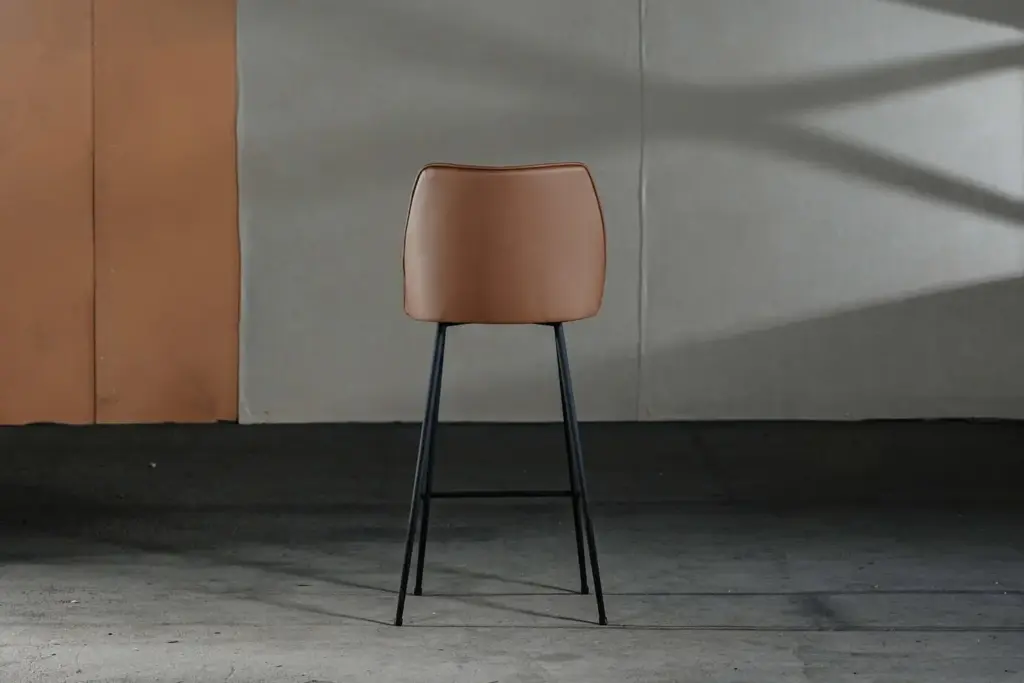
Small spaces crave breathing room. Choose materials that respect proportion: slim wood profiles, fine-grained stone, and tightly tailored upholstery. Embrace negative space to showcase refined finishes, not hide them. A narrow marble sill or finely ribbed plaster wall can read as exquisitely crafted when edges are crisp and transitions are clean. Give textures room to speak, and they will reward restraint with depth.

Signature Materials, Not Many

Pick two or three signature materials and repeat them with intention. Perhaps a light oak, a honed limestone, and a brushed brass. Use them across furniture, trim, and lighting to unify the whole. When materials recur, even modest pieces feel custom. Consistency builds ease, while subtle variations in finish, sheen, and application keep the eye engaged and the room feeling effortless.

A Material Palette That Feels Rich, Not Heavy
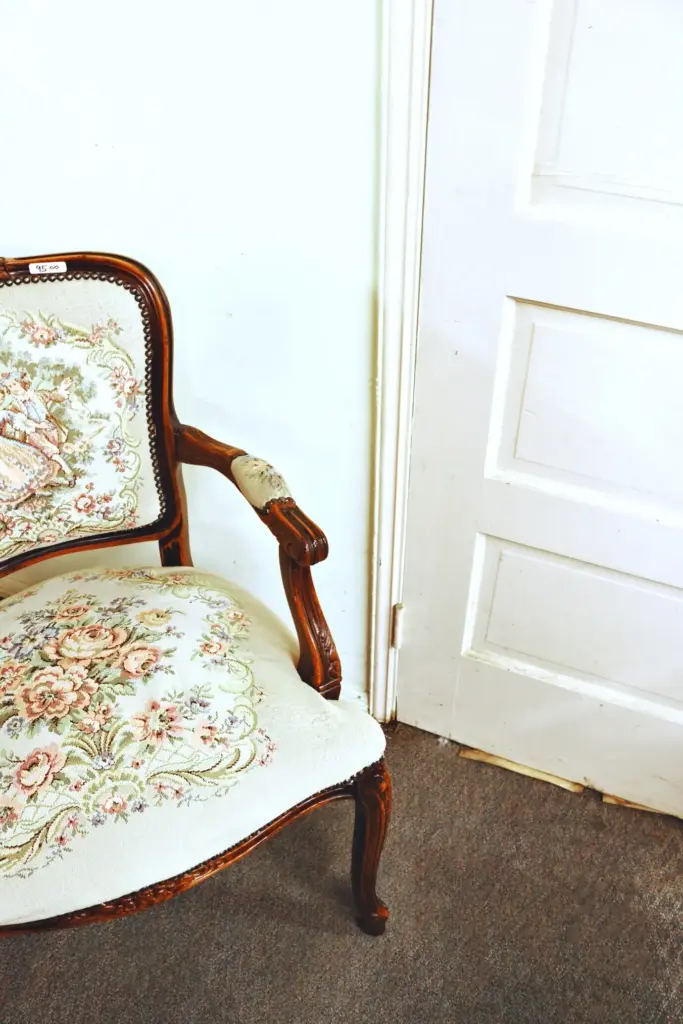
Aim for materials that convey quiet quality without overwhelming a compact footprint. Fine-grained woods, stones with delicate veining, and soft-handed textiles read luxurious up close. Balanced reflectivity brightens shadows while matte surfaces ground the composition. By controlling weight, sheen, and texture, you nurture a gentle glow that flatters architecture, supports comfort, and invites daily rituals to feel beautifully considered.

Woods With Fine Grain

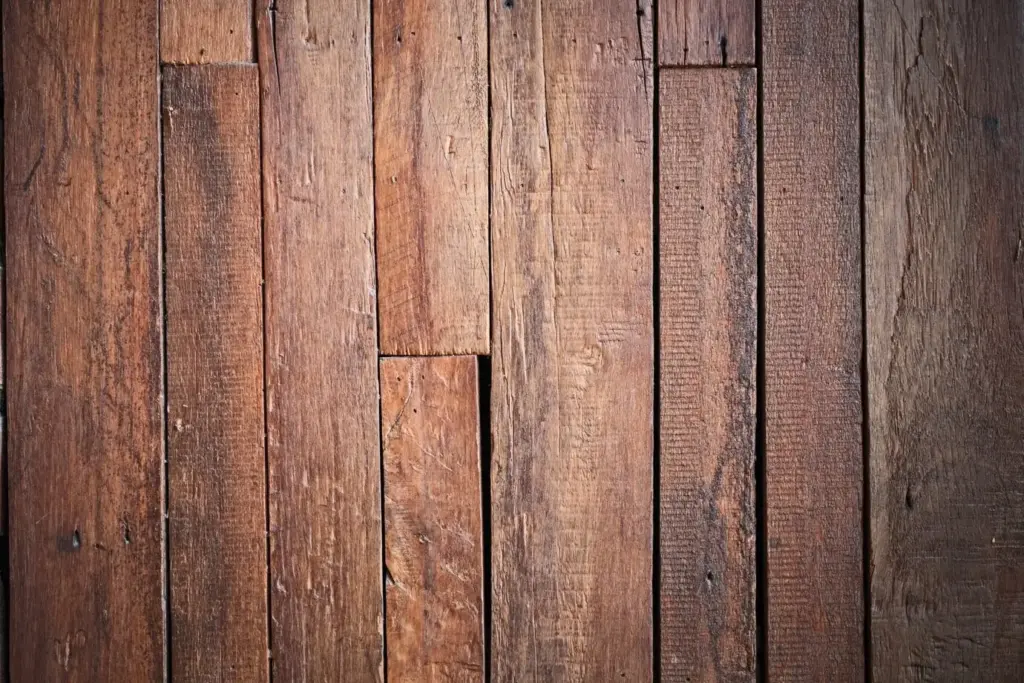
Choose woods with discreet patterns, such as rift-cut oak, walnut with a calm figure, or ash treated with a subtle finish. Fine grain reduces visual noise, allowing tight rooms to feel ordered. A natural oil or low-sheen varnish deepens tone without glare. Repeat the wood in window trims, shelves, and small furniture details to form a cohesive backbone that suggests craftsmanship.

Stone With Subtle Movement

Look for stones with gentle veining or quiet specks: honed marble, limestone, or quartzite with soft variation. In a small room, bold swirls can dominate, but whispering movement adds depth without crowding. Honed rather than polished surfaces diffuse light and hide fingerprints. Consider a petite stone side table, petite hearth, or window ledge where hands and light meet, reinforcing daily luxury.

Metals as Gentle Accents

Metal should glint, not glare. Brushed brass, burnished bronze, or satin nickel introduce warmth and precision in the smallest doses: a lamp collar, drawer pull, picture frame, or slim table edge. A consistent metal tone prevents visual clutter and ties pieces together. Patinated finishes age gracefully, adding lived-in richness that complements natural materials rather than competing with them.

Texture Layering: Depth Without Clutter

Texture is the quiet storyteller of luxury, especially where square footage is sparse. Layer matte and sheen, nubby and smooth, dense and airy to build dimension without adding objects. When textures are thoughtfully choreographed, they create visual softness, absorb harsh acoustics, and turn everyday contact points into sensorial moments that feel intimate, welcoming, and elegantly practical.

Color, Undertones, and Light

{{SECTION_SUBTITLE}}

Neutrals With Character

Choose nuanced neutrals with subtle shifts—mushroom, stone, oyster, or putty—rather than stark white or flat beige. These shades absorb and reflect daylight softly, complementing varied textures. Test swatches at morning and evening to observe changes. Let a gentle neutral wrap walls and ceilings to dissolve boundaries, allowing materials and artwork to shine with quiet emphasis and enduring warmth.

Undertone Harmony

Every material carries undertones. Align paint, fabrics, and metals so warm and cool notes feel intentional. Pair warm oaks with warm grays and brass; cool walnuts with cooler taupes and nickel. Bring samples together under your actual lighting to catch clashes early. Harmony frees the eye from working hard, letting small rooms feel naturally expansive and beautifully coherent.

Furniture, Finishes, and Touchpoints

In small rooms, the details you touch daily carry the most luxury. Think tailored upholstery, flawless edges, and hardware that feels like jewelry. Focus spending on pieces that meet hands and eyes often, so each encounter reinforces calm quality and makes the room feel thoughtfully composed and deeply comfortable.

Durability, Maintenance, and Sustainability

Quiet luxury should live beautifully for years. Choose materials that age gracefully, resist wear, and support healthier air. Sustainability and elegance are allies: honest finishes, responsible sourcing, and repairable pieces add depth to the story of your space while aligning beauty with values that feel good every day.

High–Low Strategy: Spend Where It Matters

In small rooms, a few strategic investments carry enormous visual and tactile weight. Spend on items touched daily and save on supporting acts. Thoughtful allocation creates the impression of full custom work while keeping budgets sane, encouraging creative problem-solving and a sense of personal authorship over every detail.

Case Study: A Calm Jewel-Box Living Nook

A 9-by-11-foot living nook felt busy despite expensive pieces. We swapped shiny finishes for honed, selected a compact sofa in wool bouclé, and introduced rift-cut oak shelving with discreet hardware. One small bronze lamp and silk-linen curtains completed the palette, transforming the nook into an inviting retreat that glows day and night.

Before: Busy Surfaces, Shrinking Space

The nook carried high-gloss tables, loud veining, and scattered metals. Light bounced harshly, exaggerating clutter and compressing perceived size. Fabrics lacked depth, so everything read flat and restless. We learned that uncoordinated sheen and undertones magnify scale problems, making even quality pieces feel mismatched, anxious, and visually exhausting in a compact footprint.

After: Three Materials, Many Sensations

We limited the palette to rift-cut oak, honed limestone, and soft bouclé, with one note of bronze. The room exhaled. Textures delivered richness without crowding. Edges felt crisp, light softened, and each touchpoint offered a small pleasure. Visitors now linger, remarking on calm brightness rather than square footage, sensing intention in every join and seam.

Puxamepipupixufavuxovu
Privacy Overview

This website uses cookies so that we can provide you with the best user experience possible. Cookie information is stored in your browser and performs functions such as recognising you when you return to our website and helping our team to understand which sections of the website you find most interesting and useful.